
3D Characters AI Prompts
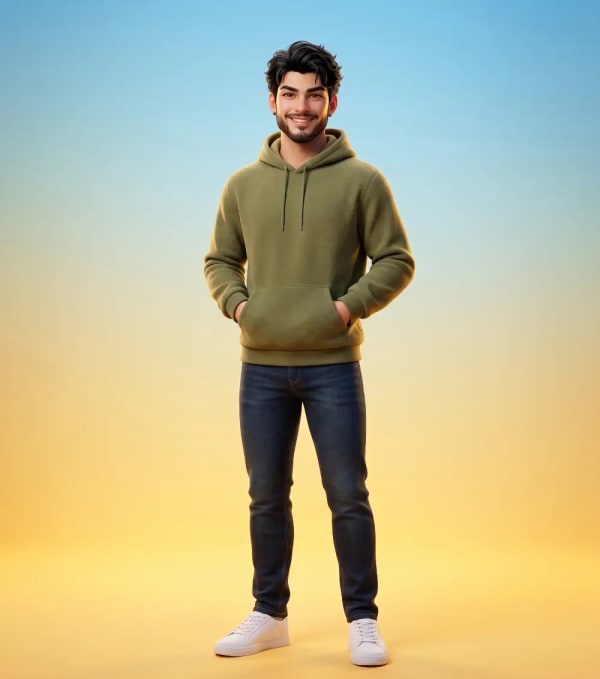
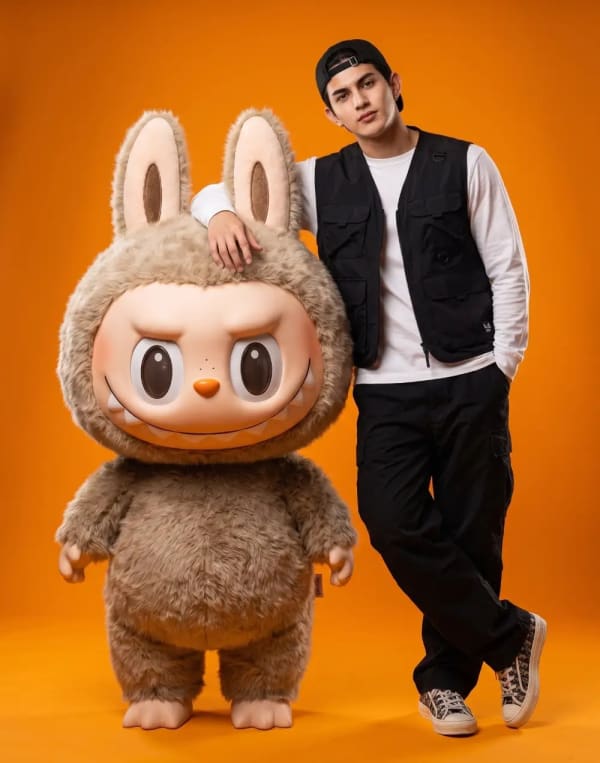
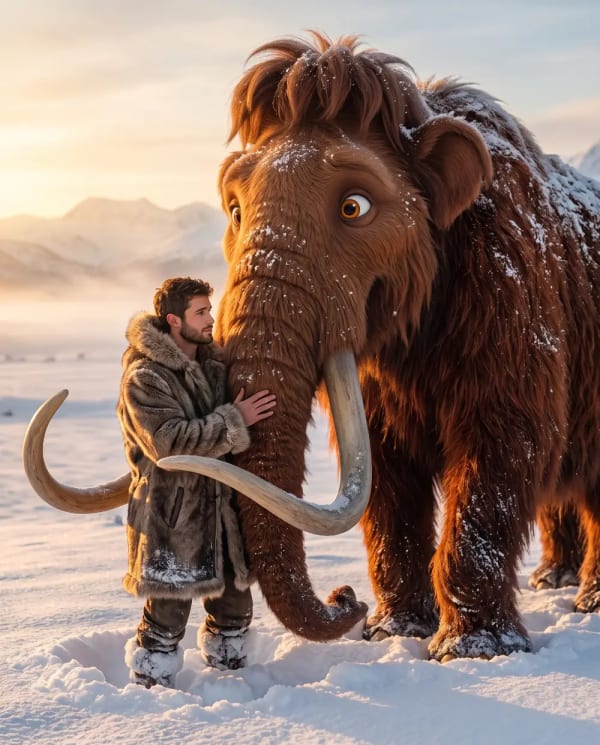
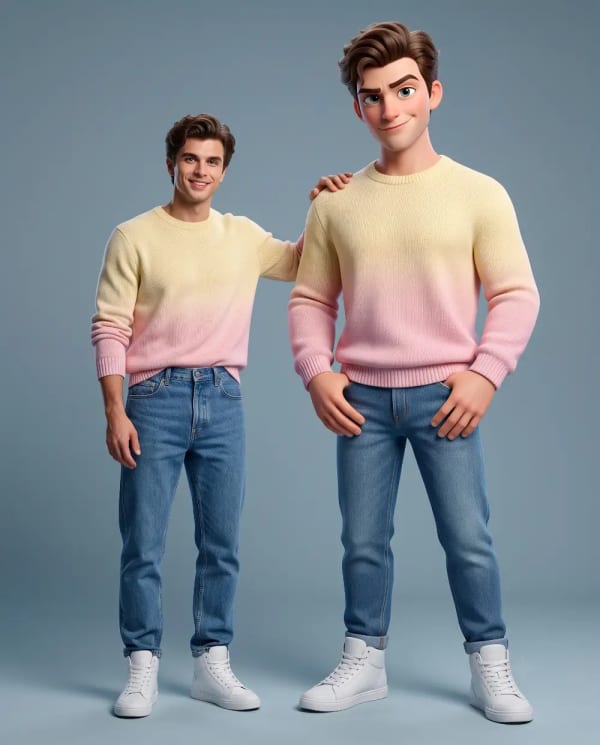
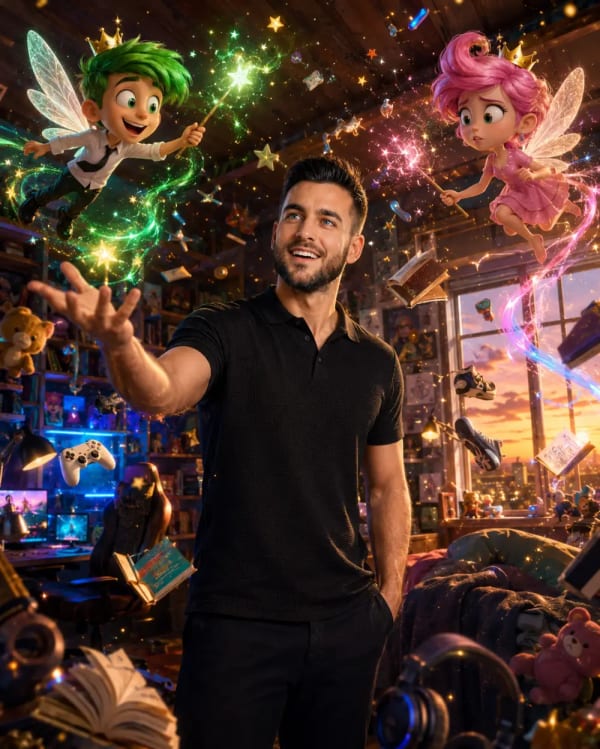
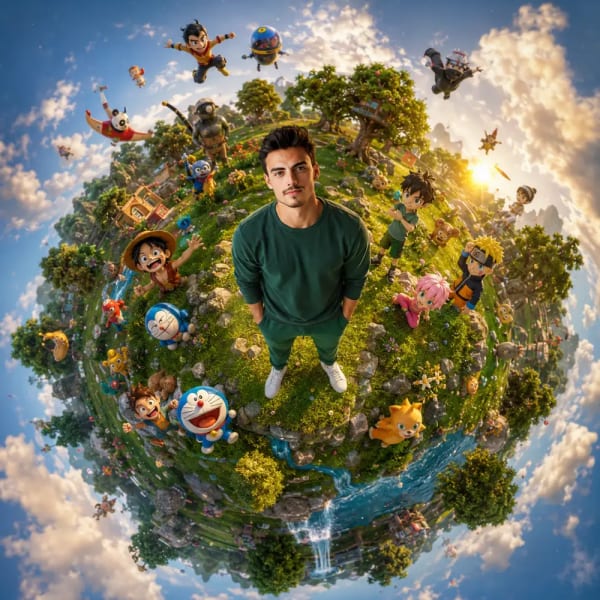
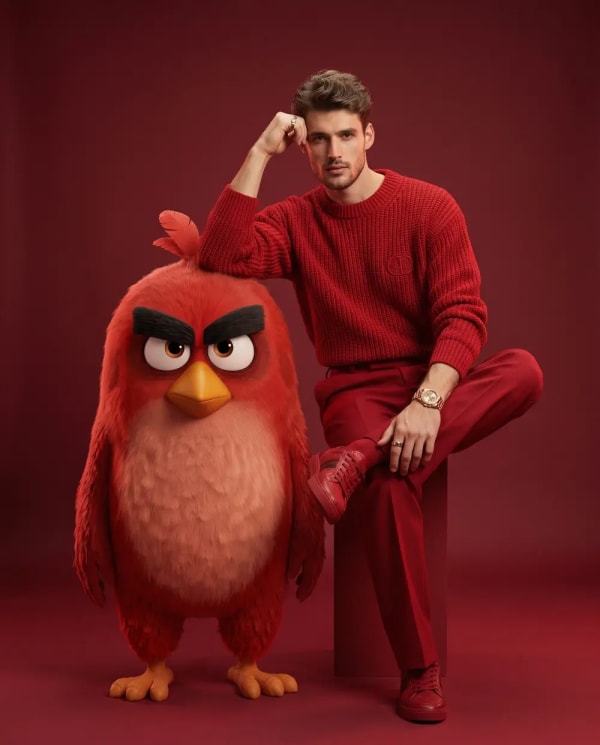
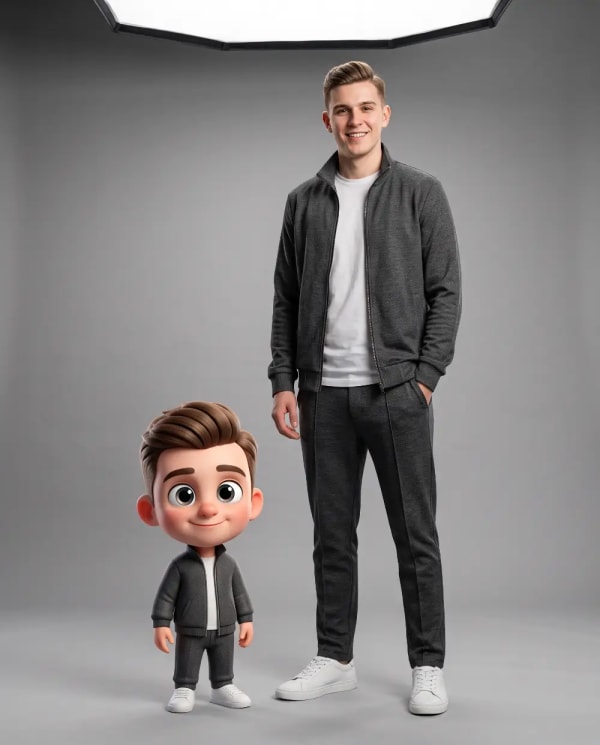
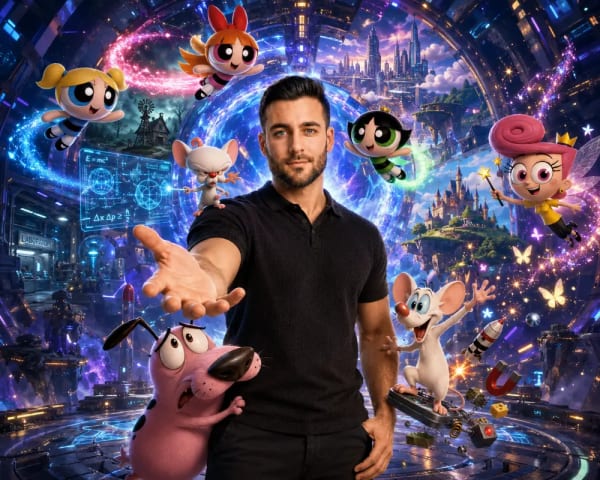
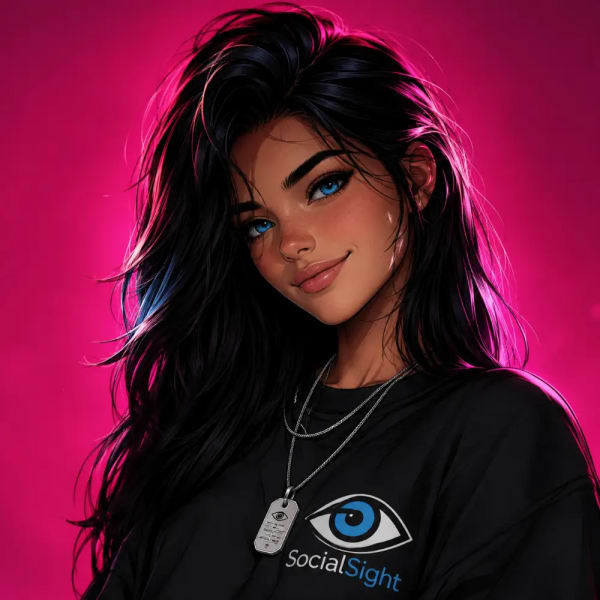
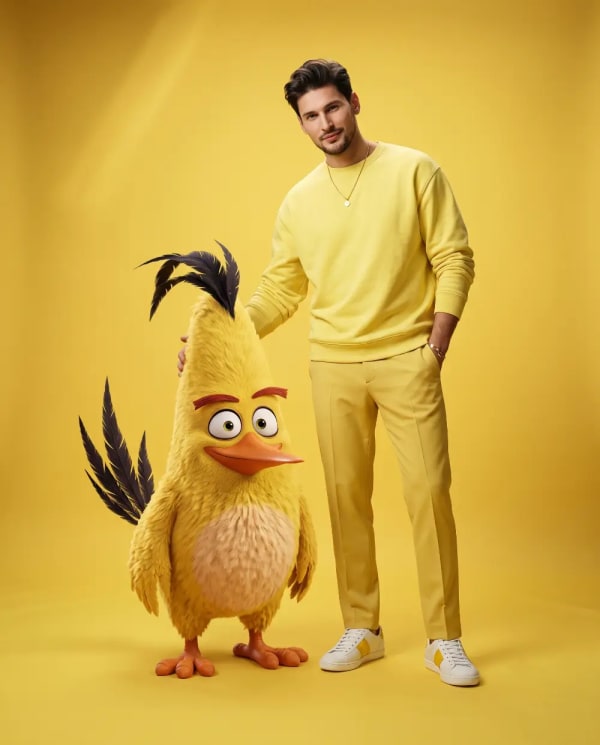
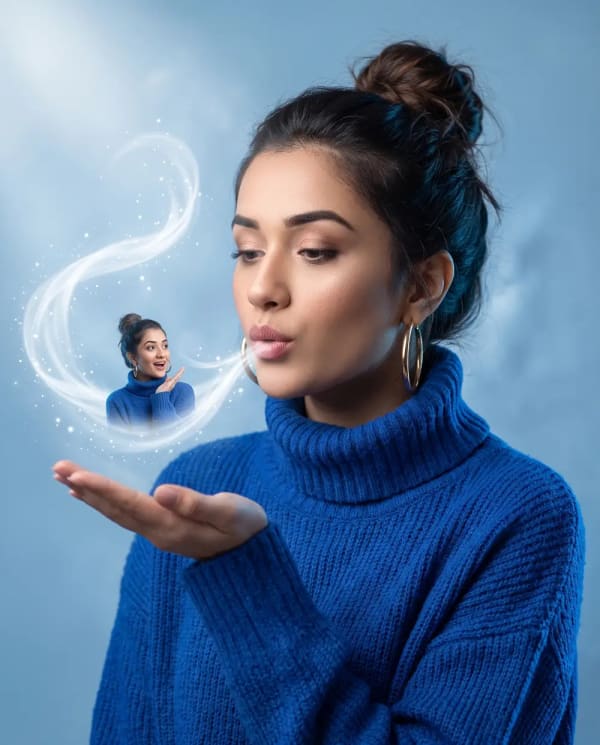
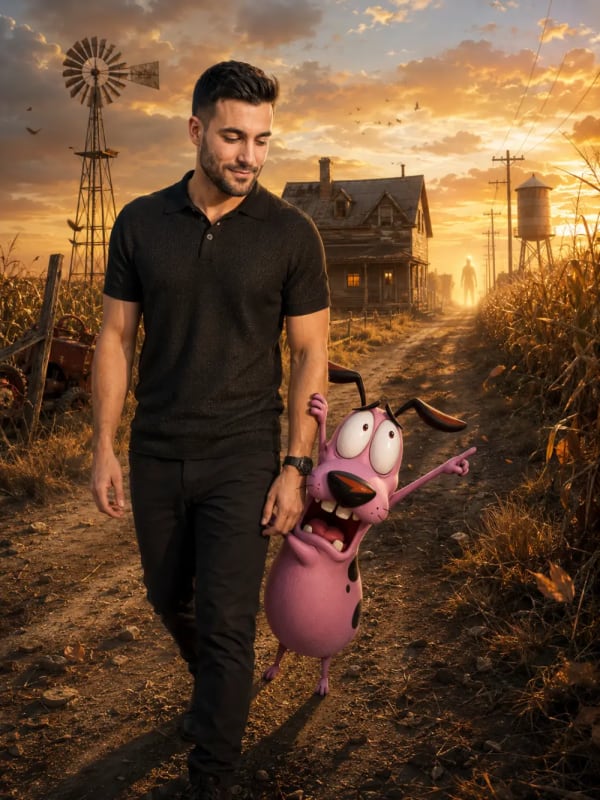
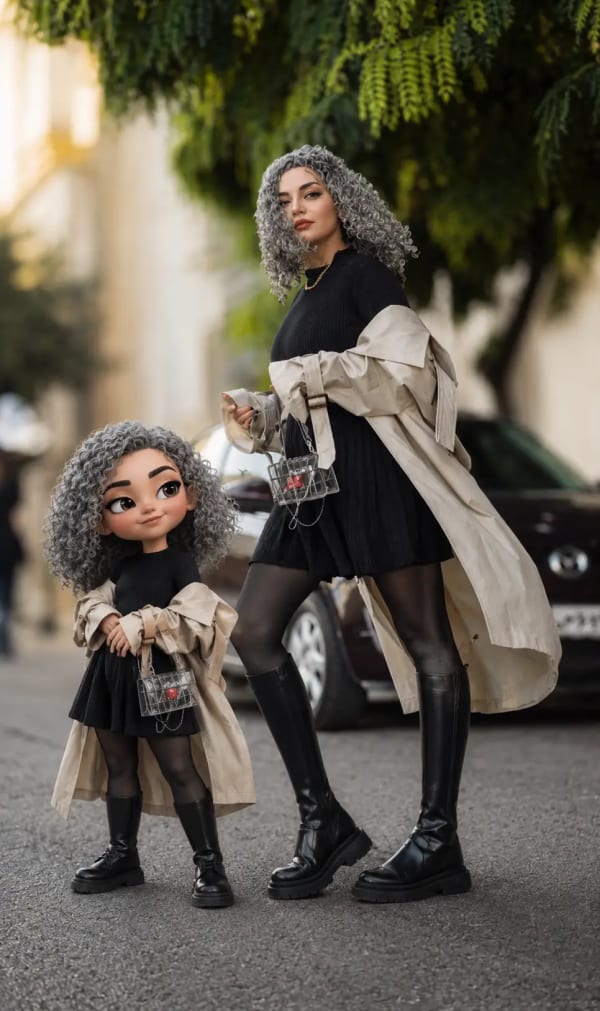
Create cute and expressive 3D-style characters, Chibi figures, animated avatars, and Pixar-inspired art that looks straight out of a movie.
The Architectural Craft of 3D Character AI Prompts
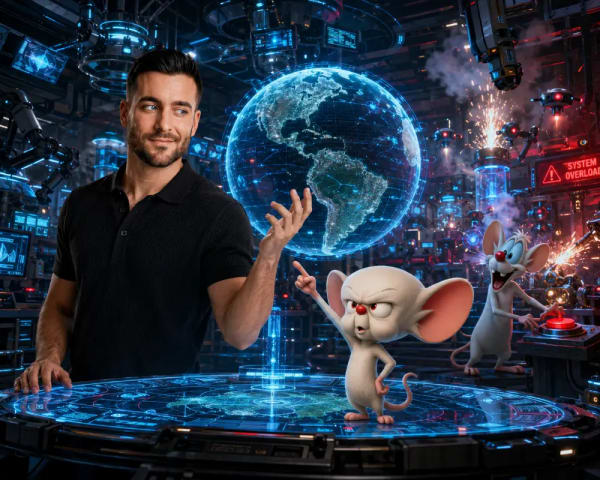
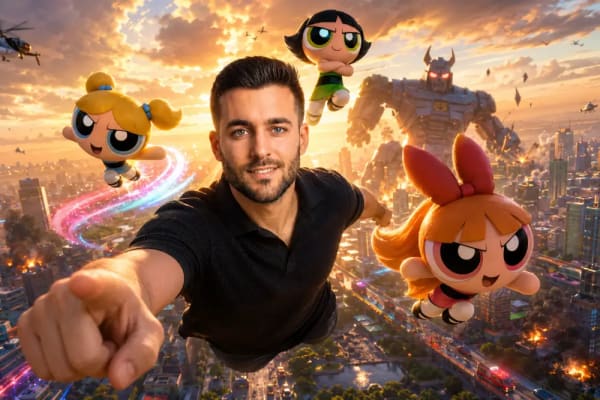
Creating expressive, cinematic three-dimensional figures using generative artificial intelligence requires an intimate understanding of digital sculpting, shader mechanics, and character rigging principles. Unlike flat two-dimensional illustrations or photographic captures, 3D character generation is fundamentally concerned with volume, tactile materiality, surface translucency, and spatial presence. When a prompt is engineered correctly, the resulting character possesses the physical weight and charming charisma of a high-end animation studio protagonist or a limited-edition designer vinyl art toy.
At Promzio, our curated library of 3D character AI prompts provides creators, game developers, animators, and digital artists with tested prompt recipes that translate complex computer-graphics concepts into reliable generative outputs. By understanding how modern diffusion models interpret geometry, lighting engines, and material finishes, you can produce consistent, charming 3D assets that look ready for the silver screen.
Deconstructing the 3D Character Pipeline in Generative Models
In classical 3D production pipelines, characters progress through polygonal modeling, UV unwrapping, texturing, rigging, skinning, and final multi-pass rendering. Generative AI synthesizes these separate technical phases simultaneously. To achieve pristine, professional results, your prompt must simulate these underlying technical parameters through purposeful descriptor clustering:
- Volumetric Proportions and Silhouette: Define the anatomical stylization upfront. Are you building a stylized feature-film proportion (slightly exaggerated head, expressive eyes, stylized hands) or a compact, oversized-head Chibi toy figure with stubby limbs and smooth contours? A clear geometric silhouette is the foundation of character readability.
- Subsurface Scattering (SSS): One of the most critical computer-graphics shaders for organic characters. Subsurface scattering mimics the way light penetrates translucent materials like skin, wax, or silicone, diffuses internally, and exits at a different point. Including SSS cues eliminates rigid, clay-like deadness and infuses characters with warm, vibrant life.
- Edge Bevels and Specular Micro-Highlights: In professional 3D rendering, perfectly razor-sharp geometric edges look fake and unnatural. Prompting for smooth chamfered edges, rounded bevels, and subtle rim highlights creates natural light roll-off across the character's forms.
- Ray-Traced Ambient Occlusion (AO): Directs the generation engine to produce soft, realistic contact shadows in crevices where surfaces meet—under collars, between fingers, and beneath foot soles—grounding the character solidly within the virtual space.
| 3D Character Aesthetic | Primary Material & Shaders | Lighting Rig Strategy | Ideal Camera Perspective |
|---|---|---|---|
| Feature Film Animated Hero | Subsurface scattering skin, groom hair strands, textured stylized cloth | Three-point warm key light, cyan rim light, soft ambient fill | Waist-up dynamic three-quarter hero angle |
| Designer Vinyl Art Toy | Smooth matte vinyl, injection-molded plastic, subtle gloss accents | Overhead clean studio softbox, minimal cast shadows | Eye-level orthographic front display view |
| Handcrafted Claymation / Stop-Motion | Textured polymer clay, subtle artist thumbprint indentations, felt attire | Warm tungsten table lamp, directional single key light | Macro tabletop lens with shallow focal depth |
| Low-Poly Isometric Game Asset | Flat-shaded geometric facets, matte untextured pastel surfaces | Uniform directional sunlight, clean ambient sky fill | Classic isometric orthographic 45-degree angle |
Materiality and Shader Vocabulary: Giving Characters Tactile Weight
The sensory appeal of 3D characters comes directly from their surface finishes. Rather than relying on generic words like "cute" or "3D," incorporate concrete material descriptions that prompt engines can map to precise rendering behaviors:
Tactile Polymers and Plastics: Specifying soft-touch matte silicone gives character figurines a smooth, premium collectible appearance. Prompting for transparent frosted resin or clear acrylic adds depth to robotic visors, crystal backpacks, or futuristic accessories. For metallic accents, specify brushed brass, anodized aluminum, or polished chrome to generate accurate anisotropic reflections.
Textiles and Stylized Fabrics: Elevate character costumes by introducing realistic fabric weaves to stylized geometries. Contrast smooth, doll-like skin against a chunky ribbed knit turtleneck sweater, a tactile canvas utility vest, or patent leather boots. This juxtaposition between stylized cartoon anatomy and rich physical texture is the signature hallmark of modern award-winning animated features.
Character Expression, Micro-Poses, and Storytelling Dynamics
Static, symmetrical T-poses result in uninspiring, robotic character renders. To craft compelling 3D characters, inject narrative movement and asymmetric emotional weight into your prompt structure:
Directing Poses in AI: Anchor the character's weight onto one hip (contrapposto). Specify head tilt, asymmetrical brow elevation, micro-smirks, or an active gesture such as adjusting round spectacles, holding a glowing magical gadget, or balancing on an urban skateboard. These directional cues breathe personality into the rendered asset.
Pay close attention to gaze direction. Having a 3D character look slightly off-camera or engage playfully with an in-scene prop produces far more engaging results than a sterile, blank stare into the virtual lens. Define the emotional subtext: curiosity, mischievous glee, quiet contemplation, or heroic determination.
Step-by-Step Prompt Iteration Workflow for 3D Characters
Follow this systematic four-phase sequence when crafting or adapting 3D character prompts from the Promzio database:
- Define the Subject & Core Persona: Establish the character archetype, age, distinctive features, and signature costume elements (e.g., a whimsical young alchemist wearing an oversized emerald velvet hood).
- Assign the 3D Style & Render Medium: Specify the render aesthetic and engine terminology (e.g., stylized Pixar-inspired 3D digital sculpture, Octane Render, Redshift engine, smooth subsurface scattering).
- Establish the Studio Environment & Lighting: Set the lighting rig and backdrop to complement the character's color scheme (e.g., illuminated by warm golden rim light and soft lilac key light, seamless minimalist pastel backdrop).
- Refine Details & Camera Distance: Lock down the shot framing, focal compression, and aspect ratio (e.g., shot on 85mm lens, crisp volumetric lighting, shallow depth of field, 1:1 square profile crop).
Troubleshooting Common Pitfalls in Generative 3D Workflows
Even advanced generative systems occasionally introduce anomalies when handling complex 3D prompts. Recognizing these bottlenecks allows you to debug prompts with surgical precision:
- Resolving Plastic or Waxy Eye Reflections: Generative models sometimes render eyes as flat, solid glass marbles lacking depth. Include descriptors like clear cornea refraction, detailed iris striations, and delicate specular catchlights to restore natural optical depth.
- Preventing Over-Cluttered Accessories: Describing too many handheld props in a single prompt can cause the model to fuse hands and objects together into an unreadable mesh. Focus on one primary hero prop and specify clear spatial separation (e.g., holding a single brass compass in right hand at waist level).
- Eliminating Unwanted Background Geometry: If your 3D mascot is unintentionally placed inside a chaotic, busy room, enforce a clean studio cyclorama backdrop, solid monochrome pastel background, and zero background clutter to keep the focus purely on character silhouette.
Why Promzio's 3D Character Prompts Outperform Raw Experiments
Diffusion models frequently struggle with 3D character proportions, inadvertently introducing realistic photographic eyes onto cartoon bodies, yielding a disjointed and unsettling "uncanny valley" result. Every prompt in Promzio's 3D character category is hand-curated to maintain strict stylistic coherence.
Our team tests prompt combinations to ensure that hair strands, clothing folds, facial features, and material shaders harmonize into a single, unified art style. By leveraging Promzio's free, verified 3D character prompts, you eliminate hours of wasteful prompt debugging and gain immediate access to studio-caliber character art for storytelling, branding, gaming, and digital avatars.