
Anime & Art AI Prompts
Create beautiful anime characters, manga-style artwork, cartoon portraits, and hand-drawn style illustrations in seconds.


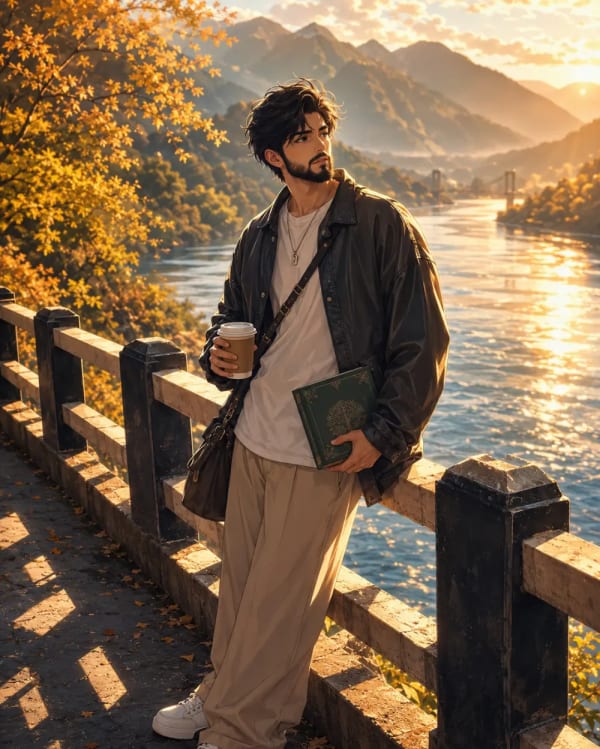
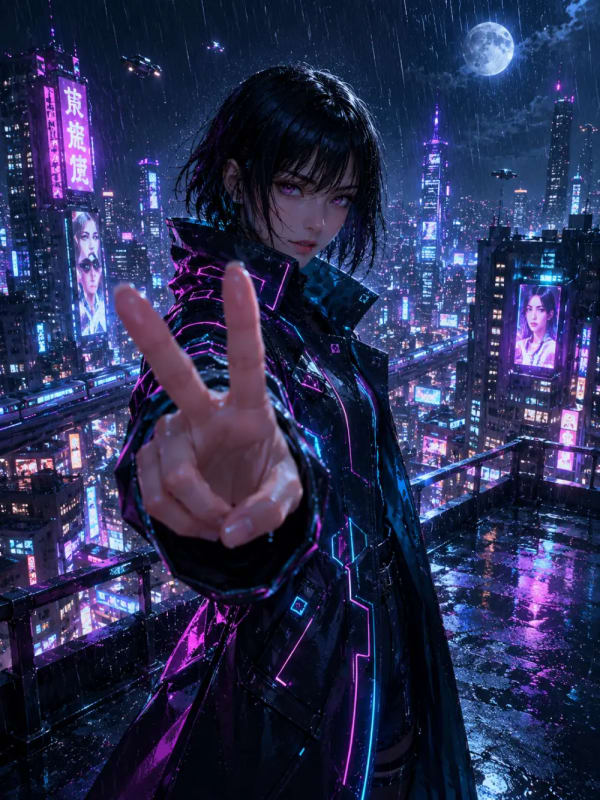
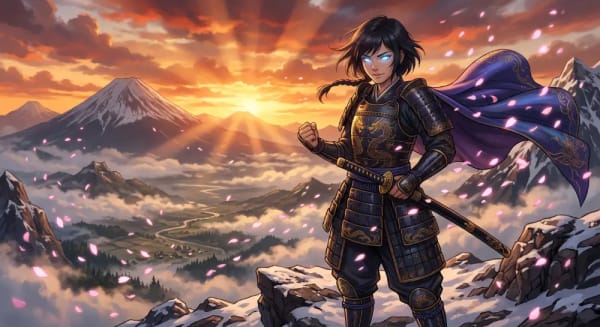
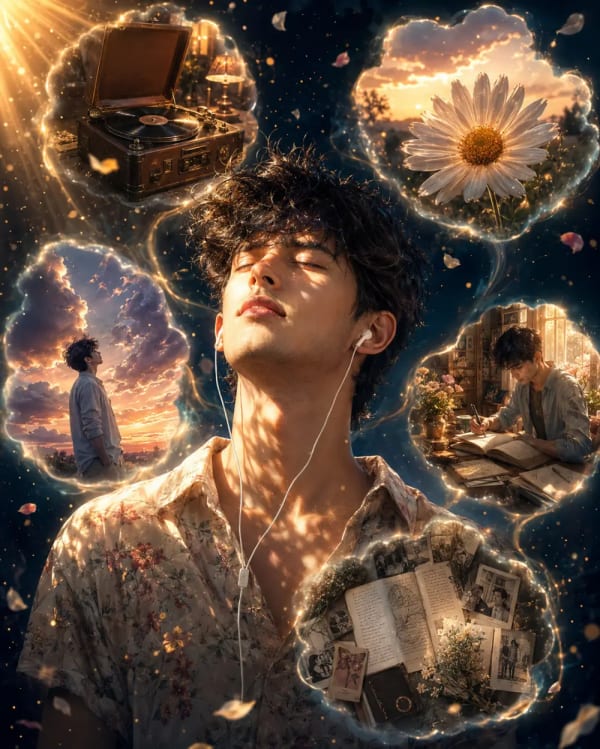


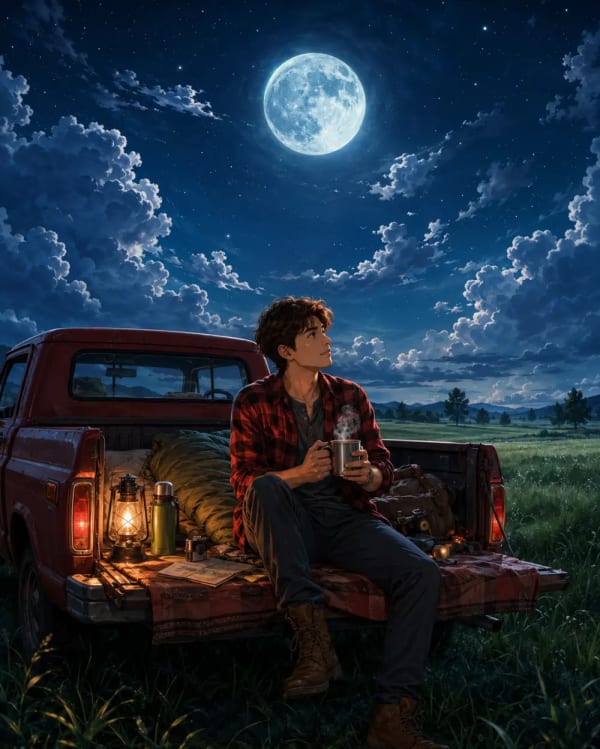
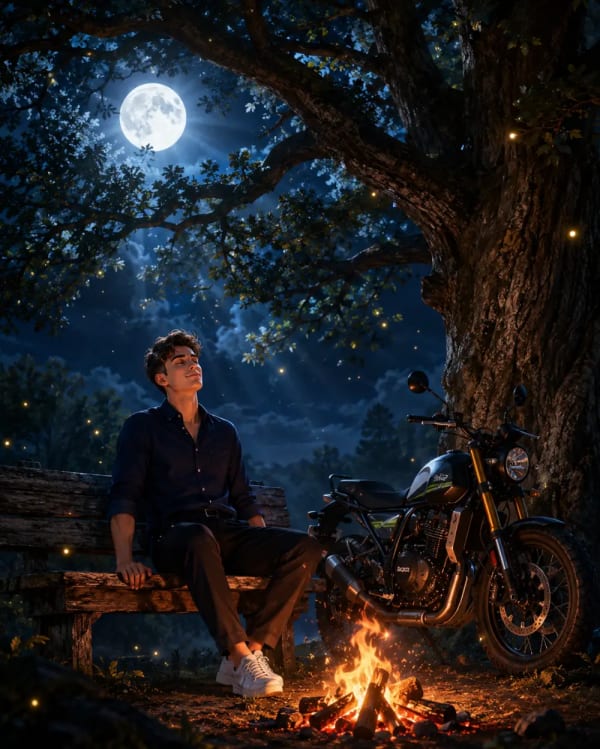
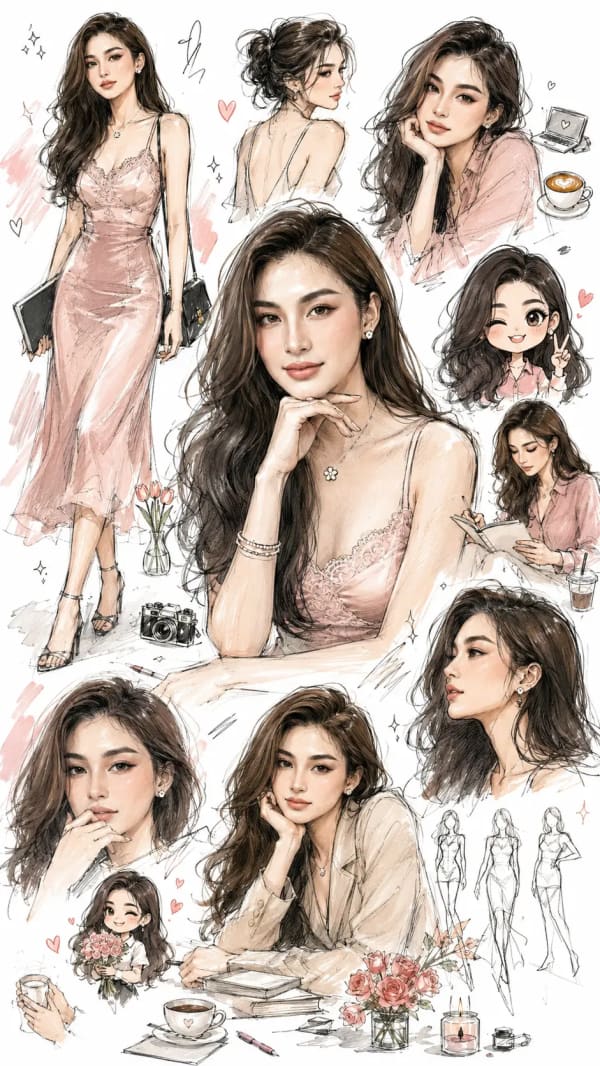
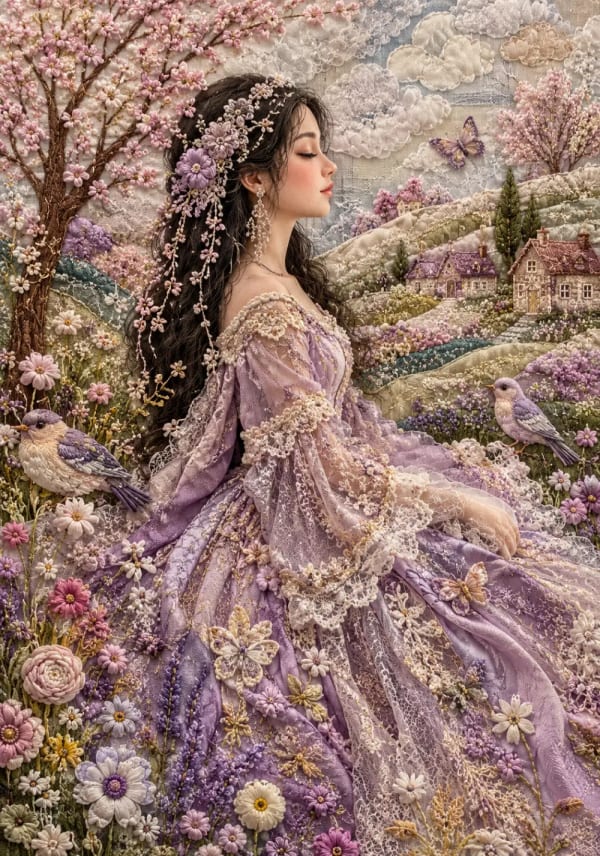
The Artistic Heritage and Mechanics of Anime AI Art Prompts
Anime is not a singular visual style; it is a rich, century-long artistic lineage defined by intentional simplification, expressive exaggeration, dynamic line work, and emotive color storytelling. Translating this visual tradition into generative models requires deep literacy in Japanese animation aesthetics, traditional Japanese brushcraft, modern digital cel-shading, and theatrical cinematic framing. In the realm of artificial intelligence, generating authentic anime art demands precise stylistic cues that bridge classical illustration techniques with contemporary digital rendering.
At Promzio, our hand-curated catalog of anime AI art prompts empowers illustrators, light novel authors, game creators, and visual artists to bypass generic, low-effort cartoon outputs. By mastering line weight parameters, color palette harmonization, atmospheric particle effects, and dynamic perspective, you can command AI engines to render breathtaking anime visuals that honor the craftsmanship of Japan's most celebrated animation studios.
Line Art Dynamics: The Foundation of Anime Illustration
In traditional animation and manga production, the contour line (linework) is the soul of the composition. In generative diffusion models, specifying the nature of the linework fundamentally alters the character of the final image:
- Fine Hairline Contours (Contemporary Digital Anime): Extremely delicate, crisp vector-like ink lines that define facial features, finger silhouettes, and intricate costume seams. This approach produces a clean, high-budget visual novel aesthetic where colors remain vivid and uncluttered.
- Dynamic Variable-Weight Inking (Action Shonen / Sakuga): Tapered brush lines that swell with character movement and kinetic force. Heavier strokes beneath the chin, along muscular silhouettes, and throughout billowing garments convey physical momentum and dramatic tension.
- Sumi-e and Japanese Brush Ink: Emulates traditional ink wash painting, featuring dry-brush textures, organic feathered edges, and calligraphic fluidity. Perfect for historical samurai epics, mythological folklore scenes, and atmospheric fantasy manga.
- Lineless Painterly Anime (Studio Ghibli / Makoto Shinkai Style): Soft edge transitions defined by color boundaries and atmospheric light rather than explicit ink outlines. Yields lush, nostalgic storybook backdrops and deeply emotional character moments.
| Anime Movement / Era | Line Art Characteristic | Color Theory & Shading | Atmospheric & Environmental Cues |
|---|---|---|---|
| 90s Retro Cel Animation | Bold uniform black ink, visible acetate cel edge | Limited 2-tone to 3-tone hard cel shading, muted warm gouache tones | Subtle CRT television scanlines, grainy VHS bloom, city pop nightscapes |
| Modern Cinematic (Shinkai-esque) | Micro-fine colored linework, luminous edges | Multi-layered soft ambient gradients, radiant lens flares, deep cyan/gold balance | Volumetric god rays, floating rain droplets, hyper-detailed cloudscapes |
| Fantasy Watercolor Storybook | Feathered sepia ink or graphite pencil texture | Transparent watercolor washes, visible paper grain, gentle pastel bleeding | Dappled sunlight through foliage, floating dandelion seeds, soft focus |
| Cyberpunk Mecha & Sci-Fi | Razor-sharp geometric precision, technical panel lines | High-contrast specular highlights, neon magenta and turquoise edge lighting | Holographic digital glyphs, rain-soaked asphalt reflections, steam vents |
Color Grading and Shading Mechanics: From Cel Shading to Painterly Depth
The distinction between cheap amateur renders and cinematic anime masterpieces lies in color grading and light distribution. Diffusion models respond powerfully to formal animation lighting terminology:
Two-Tone Hard Cel Shading: This technique uses sharp, unblended demarcations between base color and shadow tone. It preserves the classic hand-drawn aesthetic and prevents the AI from over-rendering skin into pseudo-photorealism. Prompts specifying classic cel-shaded animation, crisp shadow boundaries, flat color fill yield iconic, retro television appeal.
Radiant Rim Lighting and Ambient Bloom: In modern high-end anime movies, characters are frequently lit by intense backlighting that creates glowing silhouettes along hair strands and shoulders. Specifying soft ambient bloom, luminous hair edge highlights, glowing ethereal rim light establishes dramatic visual hierarchy, making the character pop off the background plane.
Atmospheric Physics: Eyes, Wind Dynamics, and Floating Particles
Anime conveys intense emotional resonance through stylized environmental interactions. Static scenes often feel lifeless; introducing micro-motion elements elevates the visual narrative:
The Anime Atmosphere Formula: Combine dynamic hair flow with atmospheric debris. Incorporate phrases such as: "billowing wind-swept hair strands with delicate translucency, floating glowing cherry blossom petals (sakura), drifting embers in twilight air, subtle depth of field blur on foreground bokeh particles."
Eyes are the ultimate focal point of any anime composition. Direct the model's focus to ocular complexity: prompt for gemstone-like multi-faceted irises, intricate starburst pupil reflections, delicate lower eyelash detailing, and bright primary catchlights. This ensures the gaze possesses emotional vulnerability and expressive depth.
Fine-Art Fusion: Merging Traditional Painting Movements with Anime Aesthetics
One of the most exciting creative frontiers in modern generative art is the cross-pollination of classical fine art movements with contemporary anime aesthetics. By invoking historical European and East Asian art techniques, you can transform standard character renders into gallery-worthy illustrations:
- Chiaroscuro & Baroque Realism Meets Anime: Pairing dramatic Caravaggio-style lighting with stylized anime facial geometry produces intense, theatrical character studies filled with high-contrast shadows and deep, melancholic emotion.
- Ukiyo-e Woodblock Fusion: Infusing Japanese woodblock print traditions—such as flat color planes, embossed cloud patterns, and stylized crest waves—creates a striking, culturally grounded visual aesthetic ideal for mythical and folklore narratives.
- Art Nouveau & Alphonse Mucha Ornamentation: Characterized by sinuous organic curves, decorative floral borders, intricate gold filigree halo backdrops, and flowing hair that frames the protagonist like an ornate stained-glass window.
Compositional Storytelling: Kinetic Angles and Establishing Frames
Great anime art utilizes theatrical cinematography. Rather than relying on simple, centered portraits, structure your prompt with dynamic camera framing:
- Dutch Angle (Tilted Horizon): Tilting the camera angle 15 to 30 degrees introduces psychological unrest, speed, or disorientation, perfect for intense combat or magical duels.
- Extreme Low-Angle Hero Shot: Looking upward from ground level exaggerates character height, billows capes against the sky, and emphasizes authority or indomitable will.
- Focal Foreground Framing: Placing soft, out-of-focus elements in the immediate foreground—such as tree branches, traditional paper lanterns, or architectural railings—draws the viewer into the frame and creates genuine three-dimensional depth.
Mastering Prompt Cleanliness to Prevent Anime Hallucinations
Diffusion models often struggle with anime art when prompts become over-stuffed with conflicting descriptors. The most common failure modes include duplicate pupils, melted hair strands that fuse into clothing, and chaotic extra limbs during action poses.
Promzio's editorial team tests and refines each anime prompt to maintain optimal token balance. By categorizing prompts into distinct semantic layers—Subject, Art Style, Inking Method, Lighting Atmosphere, and Cinematic Aspect Ratio—we ensure that every generated artwork achieves surgical fidelity. Browse our verified anime art prompts to copy tested, flawless formulas directly into Midjourney, Niji, Stable Diffusion, or Flux, bringing your creative visions to life with professional anime studio brilliance.