
Realistic Photos AI Prompts
Generate ultra-realistic images that look like they were taken by a professional DSLR camera — portraits, nature, street photography, and more.
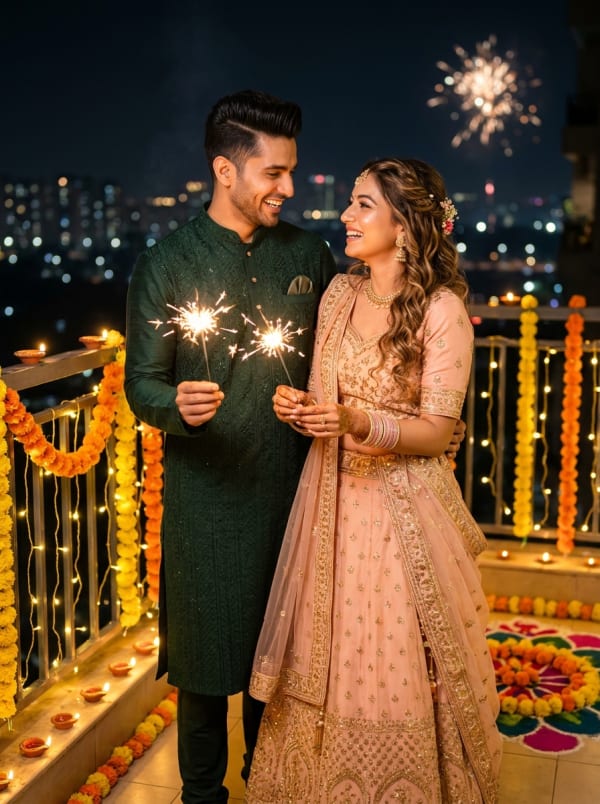
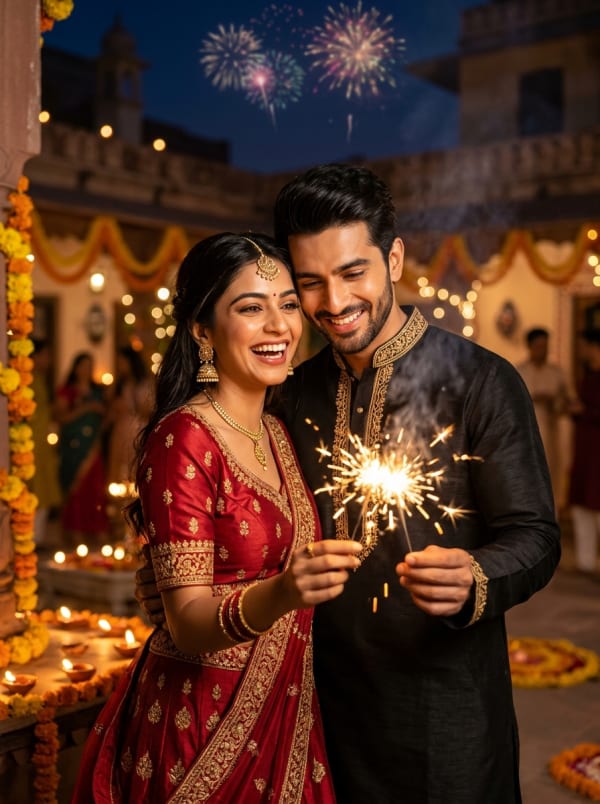
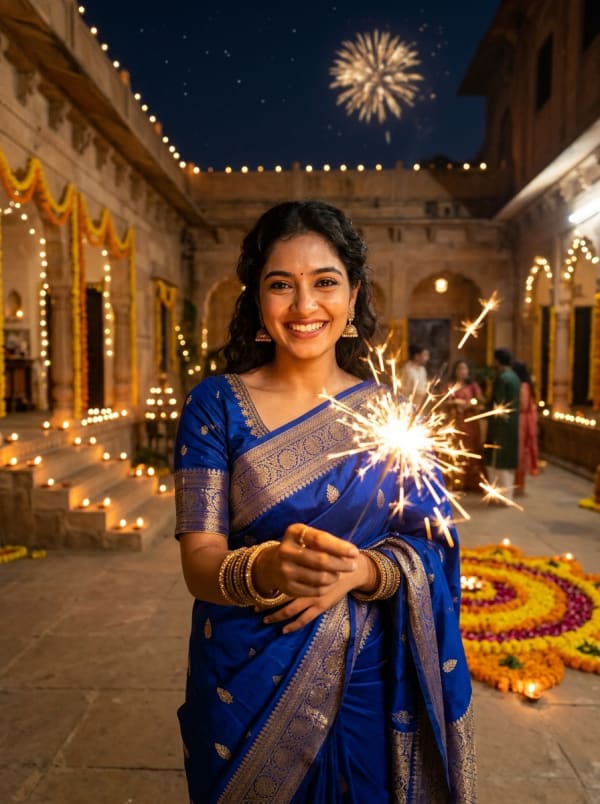
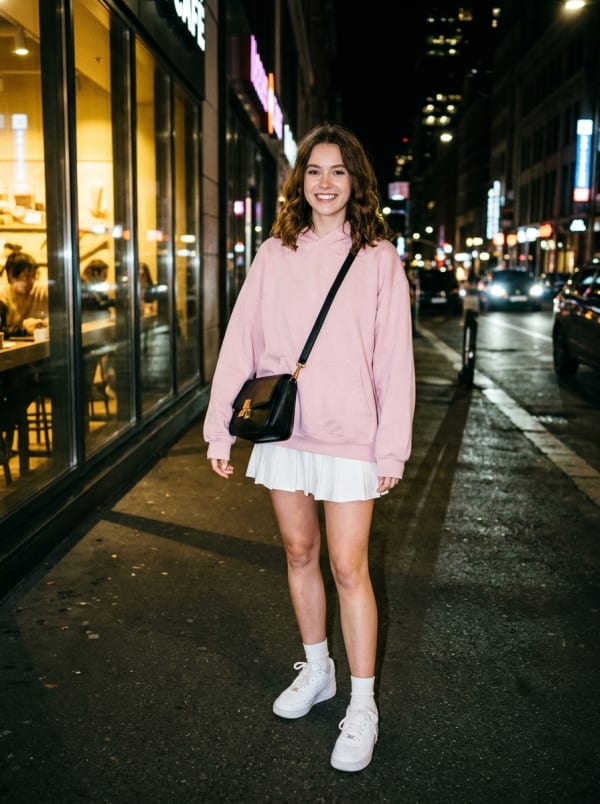
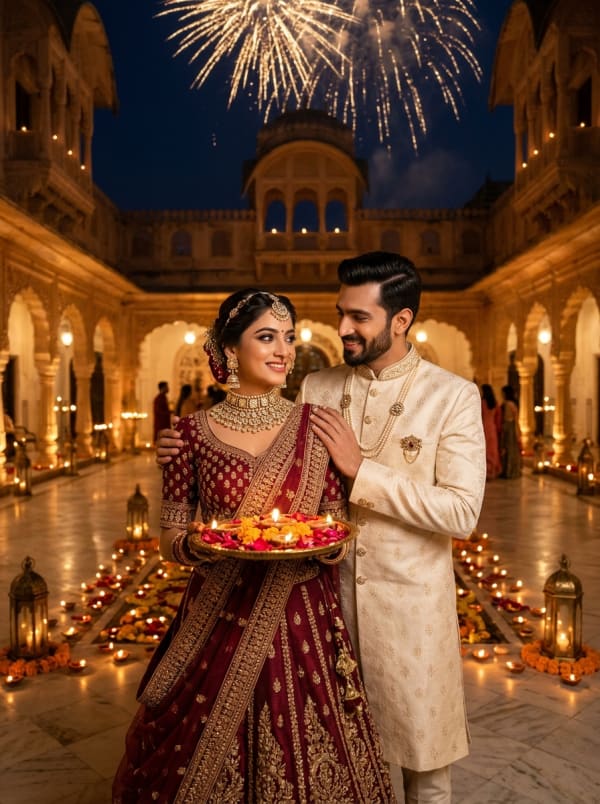
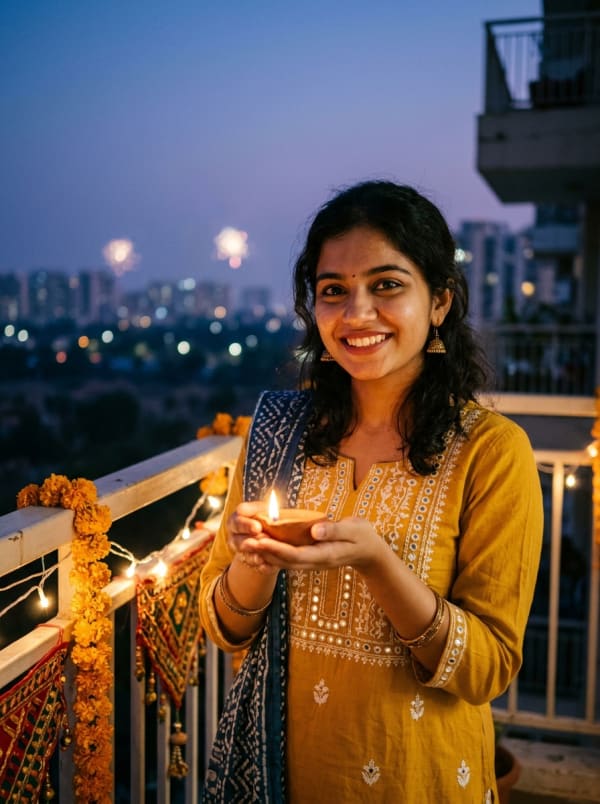
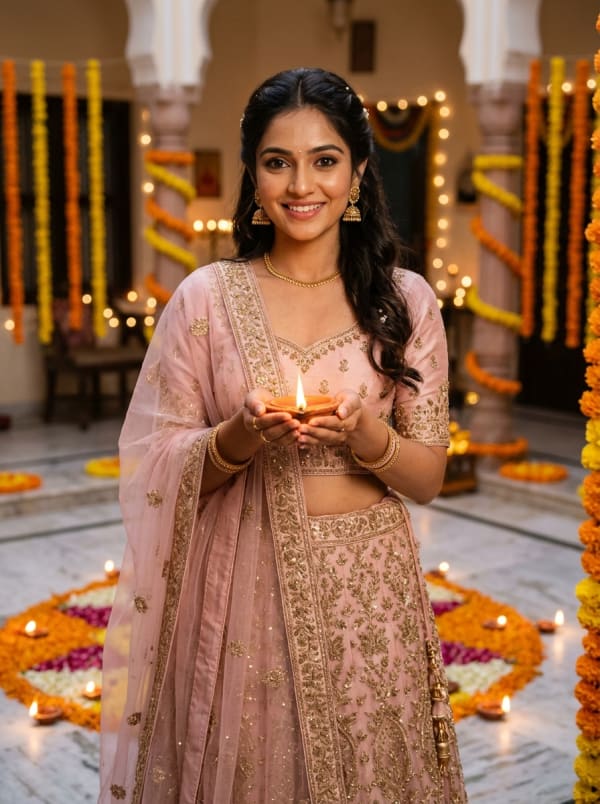

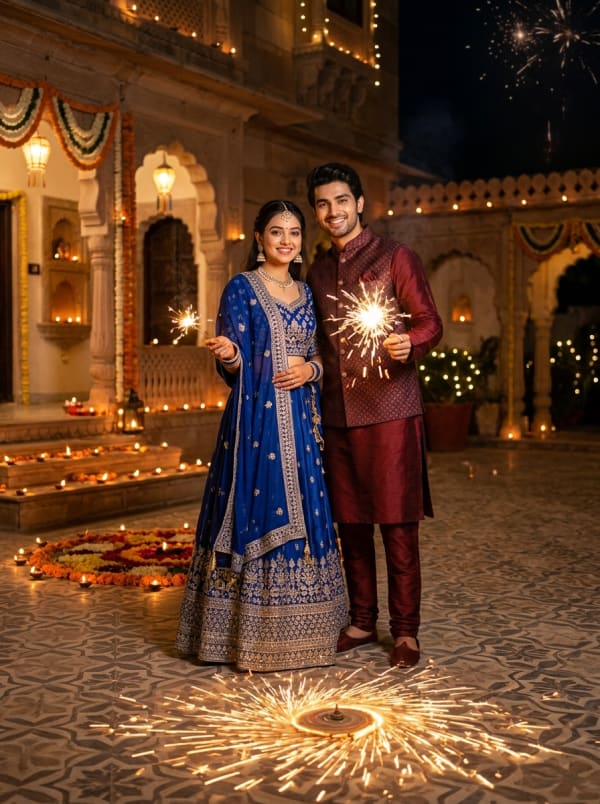
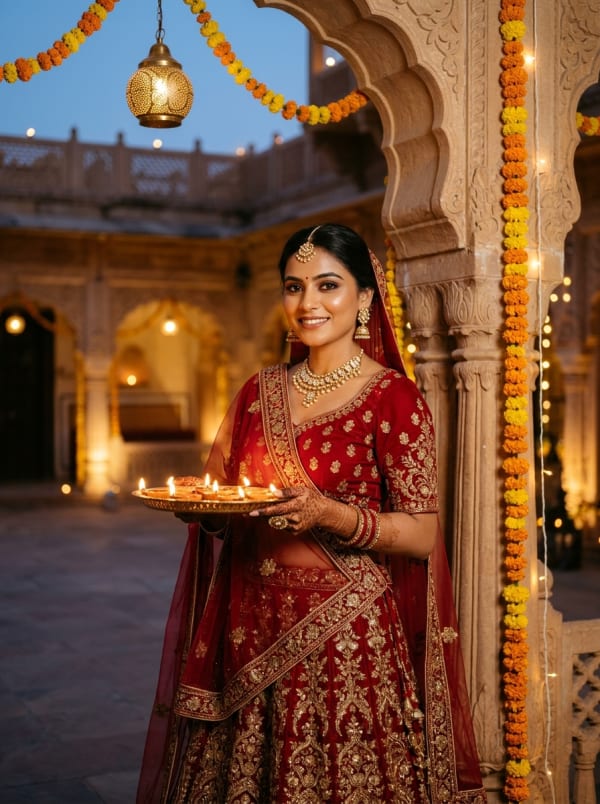
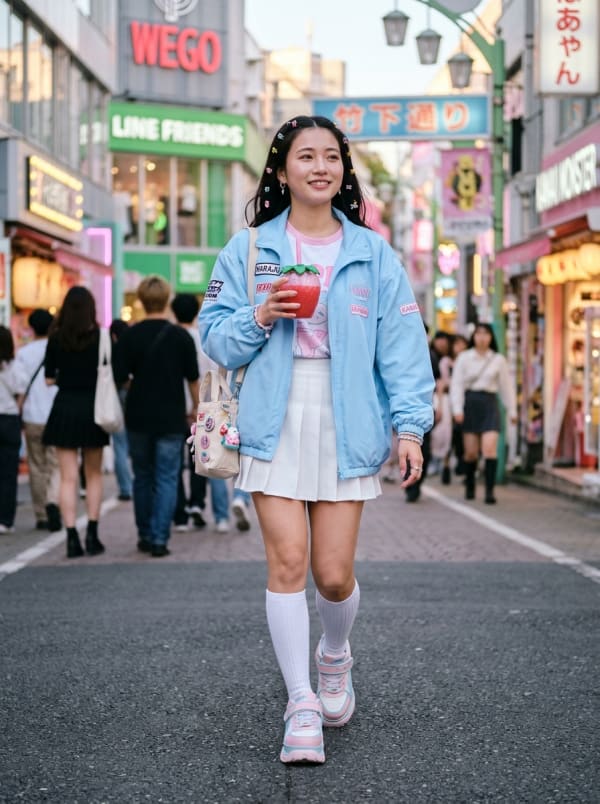

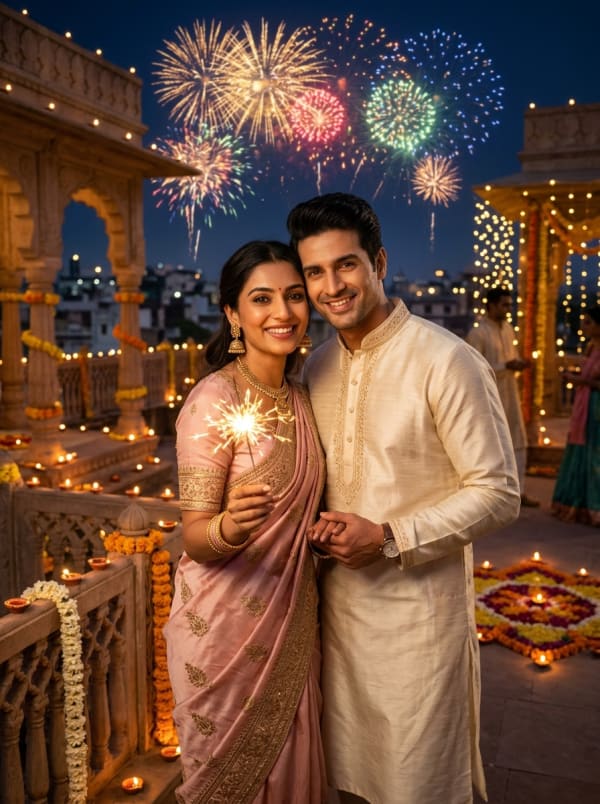
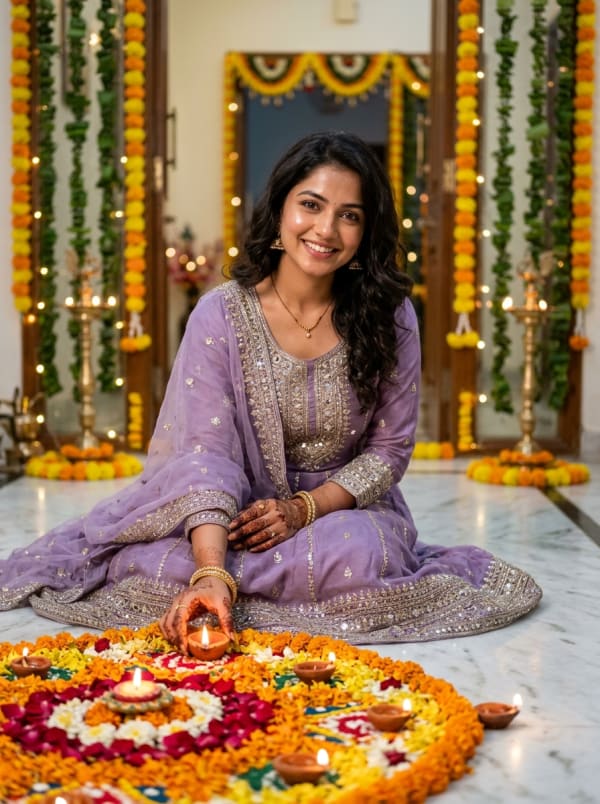
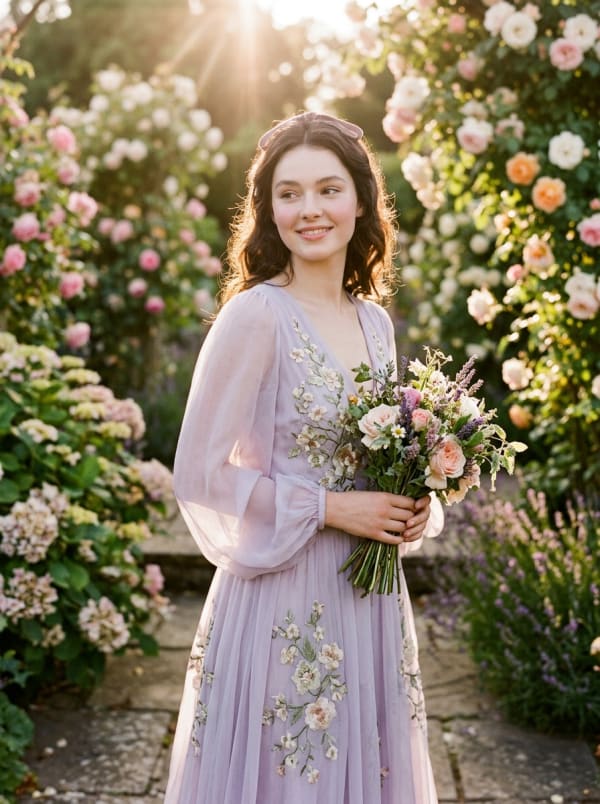
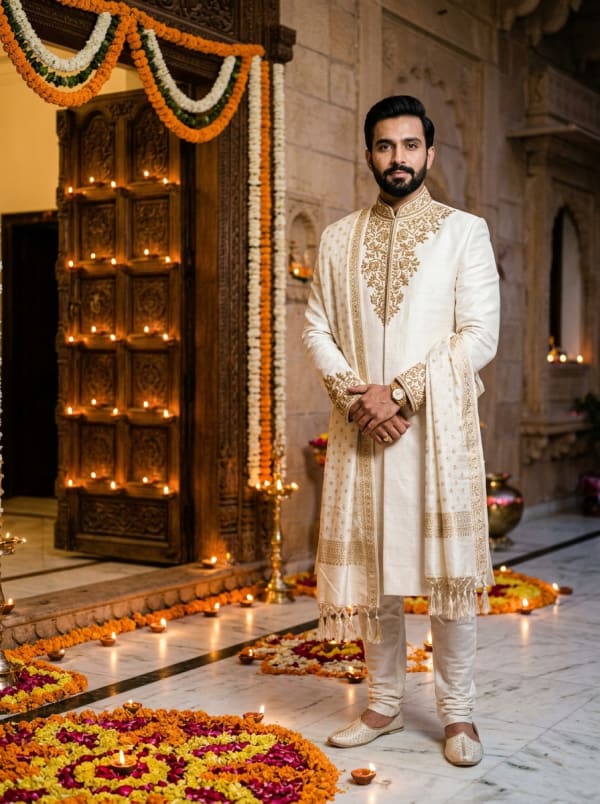
The Master Guide to Realistic AI Photo Prompts
Achieving true photorealism in synthetic imagery requires far more than merely appending generic buzzwords like "photorealistic" or "ultra-detailed" to your prompt. In modern diffusion architectures, such superfluous terms often trigger over-sharpening, unnatural specular highlights, and an artificial, waxy skin tone commonly known as the "AI plastic sheen." True photographic realism is grounded in the precise physics of real-world optics: optical lens geometry, sensor format characteristics, natural light falloff, and organic physical imperfections.
At Promzio, our collection of realistic AI photo prompts is systematically engineered and rigorously hand-tested to replicate the optical behavior of physical cameras. Whether you are generating high-fashion editorial portraits, atmospheric street photography, or documentary nature captures, mastering the technical language of professional photography enables you to direct the generative engine with absolute predictability.
Optical Physics: Lenses, Focal Lengths, and Depth of Field
The single most impactful variable in photographic composition is the choice of lens and focal length. Different focal lengths compress physical space in fundamentally distinct ways, altering how subjects relate to their background environments. When crafting realistic AI photo prompts, specifying precise optical hardware grounds the model's spatial interpretation:
- 24mm to 35mm (Wide-Angle Documentary): Introduces subtle peripheral barrel distortion and expansive environmental context. Ideal for street scenes, architectural storytelling, and dynamic lifestyle photography where the subject's surrounding atmosphere is crucial to the narrative.
- 50mm (The Natural Human Perspective): Often referred to as the "nifty fifty," this focal length replicates the field of view and natural spatial compression of the human eye. It produces honest, unexaggerated portraits with minimal facial distortion and balanced foreground-background separation.
- 85mm to 105mm (The Portraiture Gold Standard): Provides gentle telephoto compression that flatters human facial features by visually pulling the background closer. Combined with wide apertures, it yields creamy, non-distracting background blur (bokeh) that keeps the viewer's gaze firmly on the subject's eyes.
- 135mm to 200mm (Extreme Telephoto Isolation): Completely isolates the subject from their surroundings with dramatic background flattening. Excellent for high-fashion runway captures, candid sports moments, and wildlife portraits.
| Focal Length & Lens | Optimal Aperture (f-stop) | Depth of Field & Bokeh | Best Photographic Use Case |
|---|---|---|---|
| 24mm f/2.8 Prime | f/5.6 - f/8.0 | Deep depth of field, sharp edge-to-edge context | Street photography, environmental portraits, urban landscapes |
| 50mm f/1.4 Art Lens | f/1.8 - f/2.8 | Natural perspective, gentle subject separation | Editorial lifestyle, candid human moments, travel captures |
| 85mm f/1.2 Portrait Lens | f/1.2 - f/2.0 | Razor-thin focus, circular creamy bokeh orbs | High-fashion lookbooks, beauty close-ups, emotive portraits |
| 135mm f/2.0 Telephoto | f/2.8 - f/4.0 | Intense background compression, absolute subject isolation | Runway fashion, dramatic character profiles, wildlife |
Lighting Physics: Directionality, Color Temperature, and Shadow Gradients
Light is the fundamental medium of photography. In generative AI models, specifying light quality, light direction, and color temperature determines the tonal range and emotional mood of the entire image:
Natural Ambient Illumination: Direct mid-day sunlight introduces harsh contrast, crisp micro-shadows under brows, and high specular reflection on skin. Conversely, overcast daylight acts as a massive celestial softbox, producing diffuse, flattering shadows and rich color saturation. Golden hour (the hour after sunrise or before sunset) bathes scenes in warm Kelvin temperatures (approximately 3200K to 3500K) with long, cinematic cast shadows, while blue hour (dusk) creates cool, melancholic cyan tones (around 7000K to 8000K) with muted environmental contrast.
Controlled Studio Rigs: For studio editorial looks, specify classic lighting patterns. Rembrandt lighting creates a distinctive illuminated triangle under the shadow-side eye, conveying drama and gravitas. Chiaroscuro leverages extreme contrast between deep ink-black shadows and focused illumination to create painterly depth. Split lighting bisects the face symmetrically for intense, mysterious character studies, while butterfly lighting places the key light directly above the lens to create a subtle butterfly-shaped shadow under the nose, perfect for classic glamour portraits.
Texture Fidelity and the Elimination of Synthetic Smoothness
The telltale mark of unrefined AI imagery is unnaturally smooth skin and uniform textures. Real human skin exhibits micro-pores, fine vellus hair (peach fuzz), subtle pigmentation variance, epidermal moisture gradients, and tiny creases around dynamic facial features. Real fabrics exhibit woven irregularities, loose fiber threads, and tactile friction.
Prompt Architecture Tip: Replace vague phrases like "smooth perfect skin" with descriptive physical characteristics: "subtle skin texture showing visible micro-pores, natural epidermal translucency, delicate vellus hair along the jawline, unretouched raw editorial style, shot on Kodak Portra 400 film grain." This directs diffusion attention toward realistic micro-variances rather than synthetic digital rendering.
Furthermore, material context reinforces visual credibility. Prompting for authentic material interactions—such as subtle sweat sheen on sunlit skin, linen fabric wrinkles along sleeve creases, dust motes catching a beam of window light, or natural rain droplets beading on a wool coat—signals genuine physical grounding to the viewer and to search quality evaluation systems.
Framing, Aspect Ratios, and Compositional Balance
Photographic realism demands intentional framing. Relying on default square outputs often confines subjects unnaturally. Align your aspect ratio with traditional photographic standards:
- 3:2 Aspect Ratio: The classical 35mm film and standard DSLR sensor proportion. Perfect for landscape orientations, environmental storytelling, and horizontal editorial spreads.
- 4:5 Aspect Ratio: The classic large-format 8x10 portrait standard. Highly favored for vertical editorial portraits because it fills vertical framing without distorting human head-to-torso proportions.
- 16:9 Aspect Ratio: The cinematic widescreen standard. Ideal for narrative stills that evoke the feeling of a frame captured from high-budget cinema cinematography.
Anatomy of a Production-Grade Promzio Realistic Photo Prompt
To illustrate how these principles assemble into a cohesive command, analyze this verified prompt structure curated from Promzio's realistic catalog:
"A candid medium-close portrait of a 34-year-old artisan potter with clay-dusted hands, natural unretouched skin texture with visible laugh lines and subtle freckles, looking pensively toward a north-facing studio window. Diffuse overcast morning light, soft shadow gradients, shot on 85mm f/1.8 lens, shallow depth of field, blurred rustic pottery workshop in background, subtle Kodak Portra 400 35mm film grain, muted earthy color palette, 4:5 aspect ratio."
Notice how every clause serves an optical, compositional, or narrative purpose. There are no redundant buzzwords; instead, the prompt provides the exact physical anchors the AI engine requires to synthesize authentic reality.
Why Promzio Curation Delivers Unmatched Photographic Trust
The internet is inundated with untested, copy-pasted prompts that produce deformed hands, melted backgrounds, and uncanny digital artifacts. Every entry in Promzio's realistic photo collection undergoes rigorous prompt testing and negative token refinement. We verify that our prompts reliably render correct anatomical proportions, coherent ocular reflections, realistic fingernails, and believable environmental depth across industry-standard models including Midjourney v6, Flux.1, and DALL-E 3.
By browsing Promzio's verified realistic collection, you gain instant access to production-ready prompts that you can copy with a single click, adapt to your specific subjects, and deploy into commercial projects, editorial concepts, or portfolio presentations without wasting time or generation credits on trial-and-error.